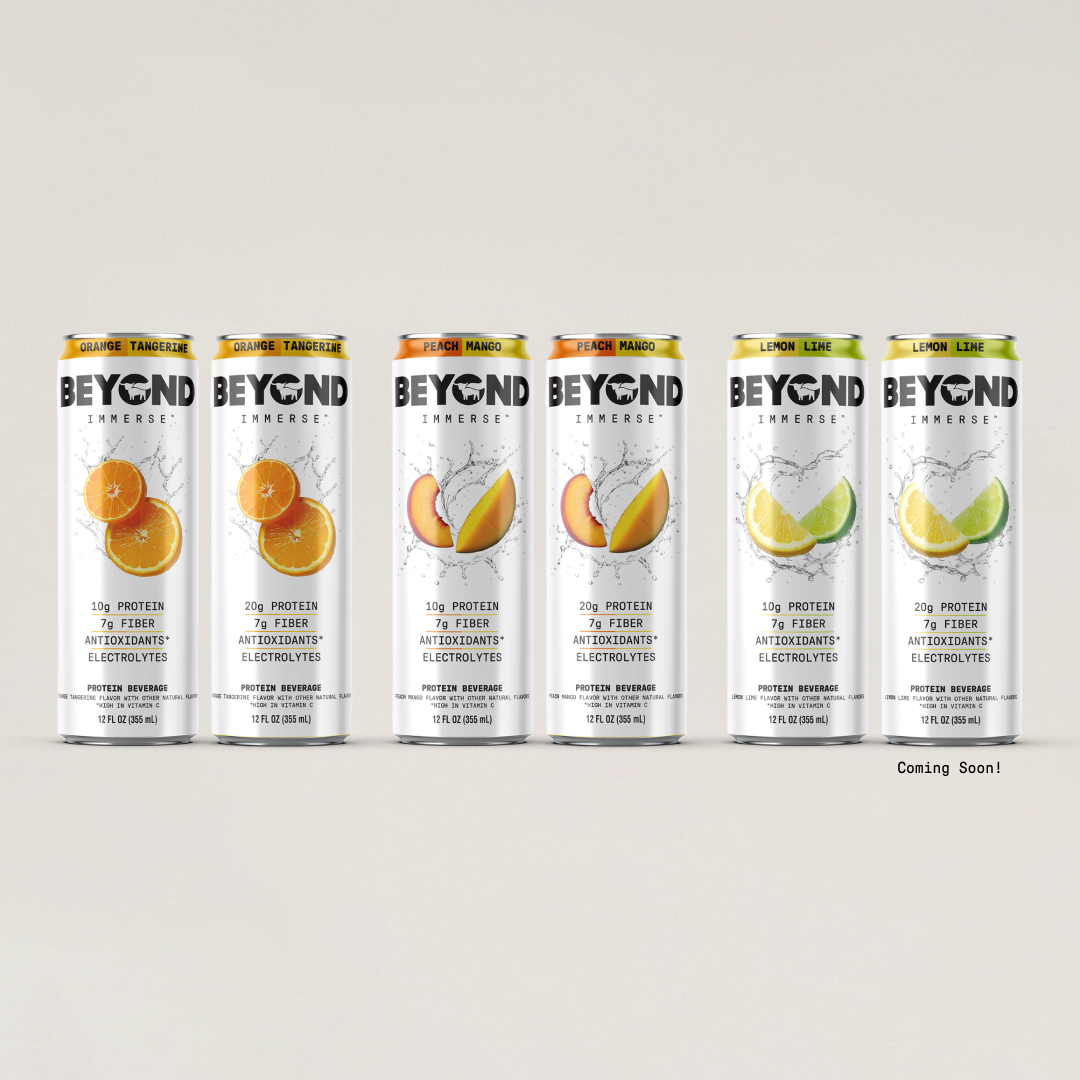
As of January 15, the plant-based protein company known for Beyond Burgers is releasing a new product called “Beyond Immerse Protein Drink,” according to a Beyond Meat press release which specified the product rollout would be slow–starting sales through a direct-to-consumer site called “Beyond Test Kitchen.”
The new drink will feature plant-based ingredients like pea protein and fiber from tapioca (or fiber from the cassava root, known as yuca). Recently, companies making “better-for-you” sodas have incorporated plant-based fibers–marketing the drinks as “prebiotics” and “gut-healthy”.
“As Americans’ dietary habits have shifted, players in the plant-based protein market have noticed a rise in demand, particularly in the nutrition supplement category,” wrote Andraia Torsiello, Market Reporter. “Consumer demand for products including protein powders, drinks, and bars that have pea protein isolate in the formulation are increasing. This uptick in demand, coupled with uncertain trade relations has caused prices to edge higher for pea protein. The Expana Benchmark Price (EBP) for pea protein isolate in the US was most recently assessed at $4.00/lb. While prices were firm on the month, values are nearly 57% higher on the year.”
What’s more, costs to source plant protein from China have been higher due to US-imposed antidumping duties, reported Expana. Canadian trade leaders have imposed similar duties on Chinese product. Plus, leaders from the European Commission (EC) are in the midst of an investigation that may too result in antidumping duties on Chinese pea protein.
Protein Soda?
The product will contain carbonated water, hydrolyzed pea protein, soluble tapioca fiber, and will be sweetened with natural flavors, stevia leaf extract, monk fruit extract, along with mango juice concentrate, among other ingredients. The ingredients aren’t far off from Pepsico’s latest launch called “Simply Pop,” according to Expana.
“With Beyond Immerse, we are bringing our pioneering expertise in unlocking the power of plants to a functional beverage line,” said Ethan Brown, founder and CEO of Beyond Meat. “Our intent is simple: immerse the consumer in the remarkable nutrition of plants—from protein to fiber, with the addition of antioxidants and electrolytes—all in a single refreshing and satisfying 12 fl oz drink. Beyond Immerse has been specially and carefully designed to provide nutrients that are critical to muscle health, gut health, and immune function, so that whatever the goal is, consumers can Go Beyond.”
The drink is touted as a combination of plant protein, fiber, antioxidants, and electrolytes, according to the company officials who plan to debut flavors like Peach Mango, Lemon Lime, and Orange Tangerine. Each flavor will have two options:
– 10g protein/7g fiber/60 calories
– 20g protein/7g fiber/100 calories
The war on protein is over, according to US Health Secretary Kennedy who in tandem with the USDA team released new dietary guidelines which suggest increased protein intake for Americans. These guidelines do make room for plant-based protein. However, the guidelines also suggest Americans eat less processed foods, and more whole foods. While plant protein has its place in the food pyramid, many highly-processed products that Beyond Meat makes are not suggested, according to the new pyramid of health.
Despite support from dairy and meat industry participants, the new pyramid did draw flack from others who said the guidelines “should be withdrawn and reissued due to rampant industry influence,” cited Expana (customer access only).
In the Background: Something to Watch for Plant Protein Market Participants
Otherwise, in recent SOFTS Squad conversations, US Vegetable & Fruit Market Report, Holly Bianchi mentioned that the US pea harvest was short this last crop year. However, Bianchi tracks price movements and crop news for peas allocated for the Individual Quick Freeze (IQF) market.
While the general pea supply is notable for the plant protein industry, the trend Bianchi is tracking may only be relevant to the IQF vegetable market, according to both Torseillo and Bianchi.
So, it’s not clear how much (if any) impact the lower IQF pea harvest will have on pea protein prices as crop conditions typically lag any future impact on pea protein supply due to the product’s long shelf life. Having said that, higher plant protein demand, increasing contract prices, antidumping duty rates, and pea crop news are factors to watch in the future of both vegetable and plant protein markets.
Image source: Beyond Meat
Written by Ryan Gallagher