
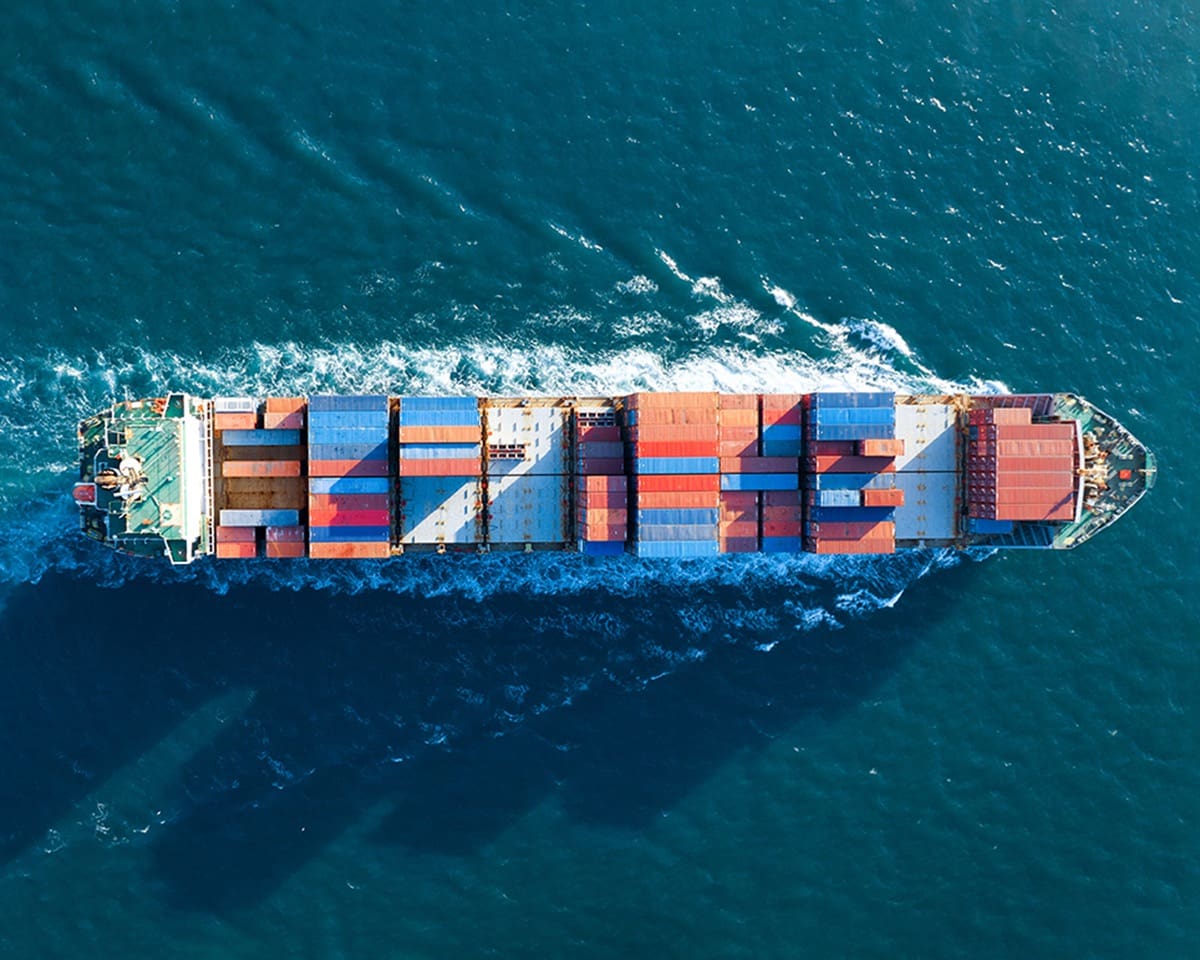
As a very small number of commercial vessels are reported to have safely navigated through the Strait of Hormuz in recent days, animal nutrition company executives told Expana that they see this as a good sign, but expressed cautious optimism while tempering expectations for a swift return to pre-disruption vessel transit.
The executives emphasize that any relief in the Strait of Hormuz and overall Middle East tensions will arrive gradually rather than immediately, with logistics networks requiring considerable time to normalize and backlogs to clear.
Fredrik Hjelmqvist, Head of Supply & Commercial Operations at dsm-firmenich Animal Nutrition & Health, characterized the recent news of some ships passing as “a positive early signal,” noting that “any measures that enhance the security, safety and predictability of key shipping routes are welcome for the entire industry.” However, Hjelmqvist added that “it is still very early to draw any conclusions, and system-wide normalization typically takes time. In the near term, we would expect a gradual easing rather than an immediate resolution of pressures, as backlogs clear and logistics networks stabilize.”
Patrick Charlton, VP of Europe at Alltech, added, cautioning that “it is likely that any easing will happen over a period of time, so we are not expecting any quick ‘return to normal’ situations even if we do see a partial or total opening of the Straits.”
Joaquim Fernandez Victoria, Global Director Operations at EW Nutrition, also emphasized the persistent uncertainty, stating that “it is still premature to conclude that constraints have been fully lifted or that operations have returned to pre March conditions.” EW Nutrition indicated it will continue monitoring developments closely and maintain countermeasures currently in place.
A prolonged disruption scenario, however, presents much greater risks to the broader feed additives sector.
Fredrik Hjelmqvist warned that extended constraints would “likely extend the current environment of volatility and uncertainty across logistics, energy-linked inputs, and raw material flows, affecting not only individual companies but the broader feed additives sector.” In response, the industry would likely prioritize “wider resilience measures, including supply diversification, strategic inventory management, and closer coordination across the value chain,” he said.
Such pressures would accelerate a fundamental industry shift Hjelmqvist identified as moving “from a primary focus on cost optimization toward a more balanced approach that prioritizes supply security, reliability, and risk management.”
Joaquim Fernandez Victoria also warned that sustained disruption would trigger “the continued escalation of costs driven by global energy and freight price increases,” potentially affecting suppliers, operations, and ultimately customers. “The broader feed additives sector would likely face additional price adjustments,” he said, while demand could rise as companies seek to secure safety stocks and shift “toward more regional or local alternatives to mitigate risks associated with extended transit times.”
Oil price volatility remains the primary pressure point, according to Janic Gouhier, CCPA Group Supply Chain Director. “This is compounded by a partial halt in sulfur exports from the Middle East, which could disrupt sulfuric acid production, a key ingredient in the chemical industry, including phosphates and sulphates. In this context, certain raw materials appear more vulnerable, particularly methionine,” Gouhier said.
Patrick Charlton also identified raw material costs as a primary vulnerability, though he expressed confidence that supply chain routes have enabled a degree of flexibility to manage these disruptions. Charlton noted that prior supply chain challenges in the past five to six years “have instilled an agility and resilience in the industry to address these challenges.”
Written by Simon Duke