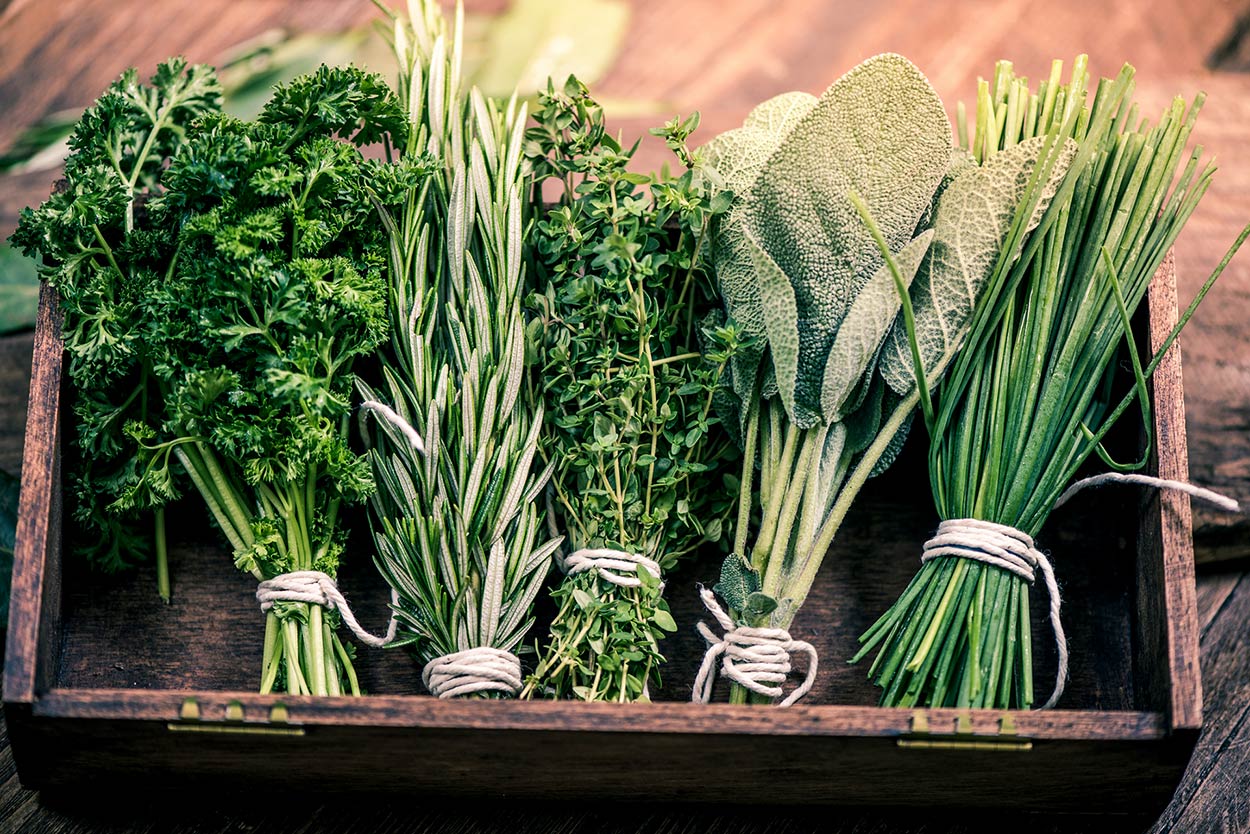
Edible Garden is widening its bet on its value-added greenhouse business to bring customers everything from “farm to formula,” according to comments during an Expana interview with Edible Garden’s CEO Jim Kras. As a result, the team is expanding past culinary herbs into fermented condiments, functional snacks, and plant-based, ready-to-drink (RTD) products, according to multiple company updates.
The company’s strategy is to connect controlled environment agriculture with clean-label nutrition through its “Farm-to-Formula” idea, according to Kras who said the team would be using its greenhouse herb business as a base while expanding into higher-margin categories such as plant- and whey-protein RTD beverages.
“That way, we’re vertically integrated with culinary herbs,” explained Kras. “We’ve got two greenhouses one in Belvedere, NJ and the other in Grand Rapids, MI.”
Using products from the greenhouse, Kras and co. are delivering products that can be seen in Shoprite, Walmart, Target, and more. Most recently, Walmart has expanded Edible Garden’s fresh-cut herb distribution across the Mid-Atlantic, according to a company update.
At the same time, the company’s push into packaged nutrition could diversify the business for more plant protein and beverage sales.
“We had a retailer come to us asking for the RTD products,” explained Kras. “We’ve also got the legacy whey powder business under the Kick brand, which is a clean-label, whey, and plant-based product offering.”
So, the company is currently expanding to build its Prairie Hills RTD production facility in Webster City, Iowa. The idea is to create a functional beverage packed in the sustainable, Tetra Pak cartons.
“This played toward our company ethos,” said Kras about the packaging decision. “The carton is made out of lined cardboard. It’s popular in Europe and sustainable. Using Tetra Pak allows us to eliminate plastics, and aseptic bottling kills bacteria. If I had a choice, I’d be out of plastic totally. But it’s so cheap. There aren’t many better options that protect a product like plastic does and seal a product like plastic.”
So, instead of a completely plastic bottling line, the aseptic, carton only uses a small bit of plastic around the mouthpiece of the beverage carton, noted Kras, who said he felt better about using Tetra Pak than PET bottles.
“We had a retailer that said they needed such a product. So, we bought the Iowa facility, signed an agreement with Tetra Pak, and began demolition of the interior of the six-acre warehouse, which was previously a sustainable shrimp farm.”
Edible Garden will have the Iowa RTD manufacturing hub up and running by 2027, he shared.
At full capacity, the company said the site is expected to produce more than 100 million high-protein, RTD beverage units annually, reported Expana.
“Convenience plays a big part there,” said Kras about consumer demand for functional, high-protein beverages. “Now, the ‘better-for-you’ emphasis is not just about us growing herbs, but we can supply whey protein-based and milk protein drinks, plant protein drinks, and have a portfolio of those products.”
Part of the push is also about the gut health trend, he said. Edible Garden sells “functional pickles” via its “Pickle Party” brand—working with Hermann’s Pickles.
“They have a better nutritional profile than just regular pickles,” said Kras. “We also sell fermented hot sauces under the Pulp brand. You can find those at Shoprite. We’re leveraging the produce section, all under the ‘better-for-you,’ idea… Offering products with high nutritional value.”
So, moving forward, Edible Garden’s team plans to utilize their fresh produce background to add value for customers and sales margin for themselves to offer adjacent provisions beyond the produce aisle. For example, Edible Garden’s team announced that the Nasdaq Hearings Panel granted the company’s request for continued listing on the exchange.
“We’re pleased with the Panel’s decision,” said Kras. “It keeps our attention where it belongs—on building out the Webster City… facility, moving into higher-margin nutrition categories, and continuing to take cost out of the business. We expect to have more to report on each of these in the coming months.”
Image source: Getty
Written by Ryan Gallagher