
Confronted with mounting pressure from volatile commodity markets, livestock and feed producers continue to face volatility in milk, meat, and feed raw material prices, squeezing margins and forcing difficult operational decisions. In this environment of heightened price sensitivity, every input decision carries weight.
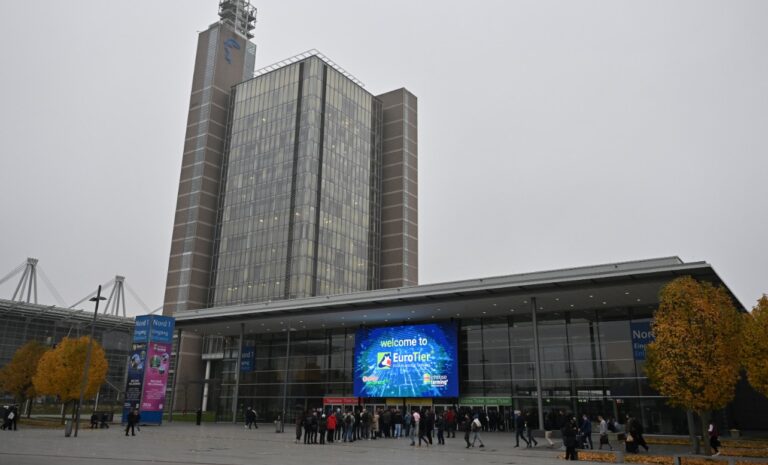
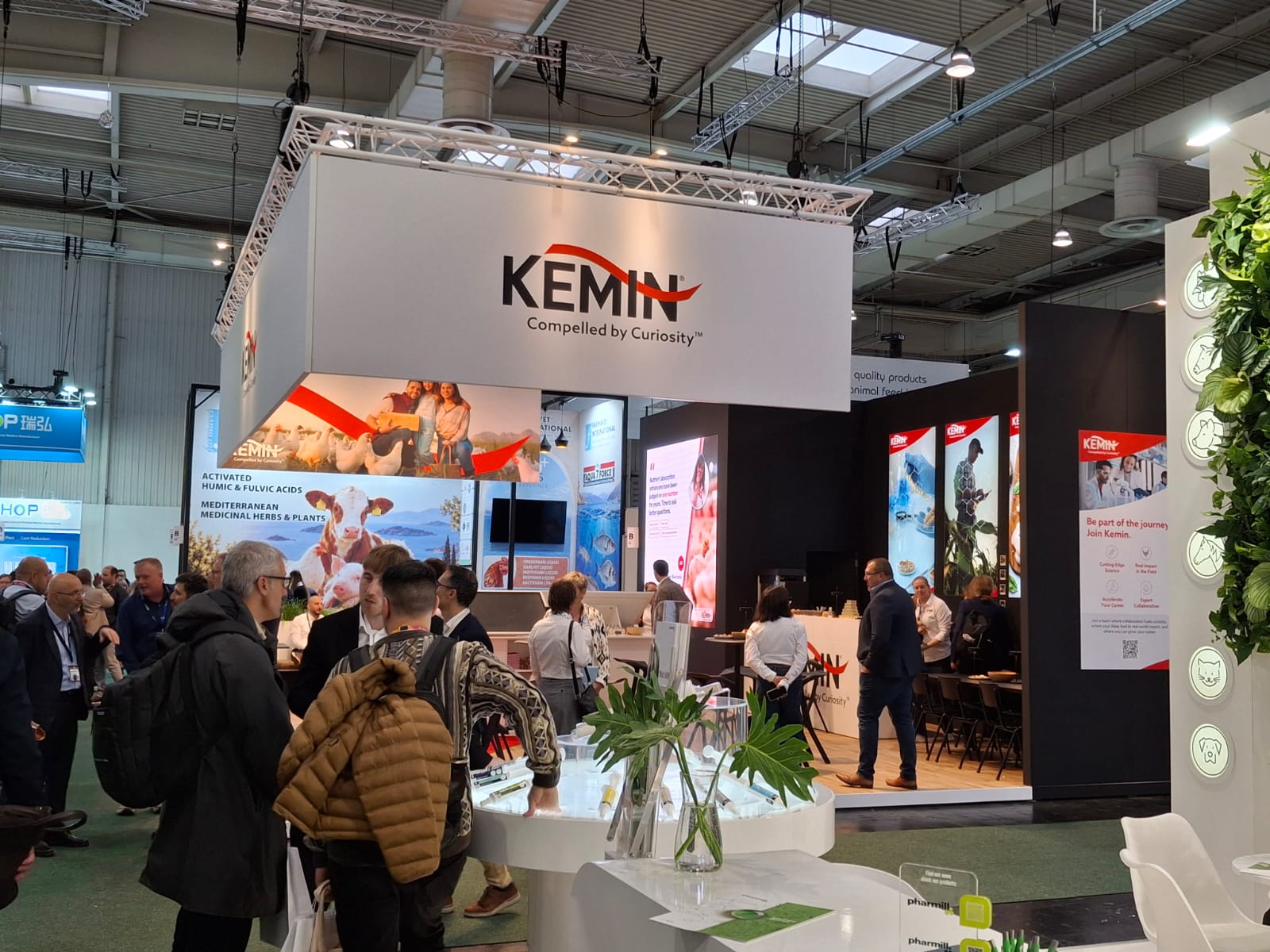
In an interview with Expana during EuroTier 2026 in Hanover, Germany, Morné Erasmus, Vice President of Commercial for Europe at Kemin Animal Nutrition and Health, outlined how the company is responding to these market realities. Erasmus will assume the role of President of Kemin Animal Nutrition and Health, EMENA, in January 2027.
“Producers operating in this volatile landscape are not looking for another additive to try,” Erasmus said. “They want to know what a product delivers inside their own production and market systems. For Erasmus, the next wave of commercial growth will belong to “solutions that go from ingredients to outcomes and show a clear, measurable return.”
“In a tight market, proof of return matters more than ever. Technology needs to deliver value so that customers can measure —improving performance, resilience, and profitability. Our focus is ensuring our science protects our customer’s balance sheet,” he said.
“Innovation starts by being close enough to the customer to understand their challenges,” Erasmus said. “Kemin thinks globally and acts locally. We connect local customer insights with global science and R&D to develop solutions at the molecular level. Heat stress illustrates this perfectly: a challenge experienced every day in Asia is increasingly relevant across the Middle East, Africa, and Southern Europe. Knowledge travels quickly across Kemin, enabling us to turn global experience into locally relevant, science-backed solutions.”
Hence, Kemin continues to reinvest heavily in laboratories and research partnerships in Europe and globally, he said. Each region focuses on challenges closest to its local production systems, and scientists share insights across borders so every market benefits.
The company is also constantly evaluating where customer demand and market growth justify expansion, Erasmus said. However, on capital deployment in general, Erasmus said Kemin applies three filters: “Does it solve a real, pressing problem for customers? Does the company have a clear scientific edge at the molecular or application level? Will it deliver long-term value and sustainable returns?”
Kemin has also strengthened its position in Asia. The company announced in July that it has started building a $35 million R&D Center in Singapore. Last September, it acquired CJ Youtell Biotech, the enzyme and fermentation subsidiary of CJ Bio, gaining full ownership of its enzyme portfolio and fermentation plants in Shandong and Hunan, China.
Erasmus said the CJ Youtell Biotech acquisition significantly expands Kemin’s fermentation and enzyme manufacturing footprint. Coupled with the company’s historical strength in formulation and application support, it allows Kemin “to control the entire value chain, from strain development all the way to customer outcomes.”
“Integration across technology, production, and commercial teams is progressing steadily,” he said, commenting on the acquisition.
Optimizing the existing footprint and expanding into specialty solutions are not mutually exclusive, Erasmus argued. “Kemin does both. Enzymes and fermentation are core growth pillars, but the company invests across its entire portfolio, including feed efficiency, gut health, and feed preservation, wherever customer demand and scientific opportunity intersect.”
Moreover, as a family-owned and operated company, Kemin focuses on long-view strategies Erasmus said.
“We aren’t managing for next quarter’s market earnings call; we are managing for the next generation. That long-term perspective allows us to stay curious, invest deeply in breakthrough science, and stand by our customers through market cycles,” he added.
Written by Simon Duke